
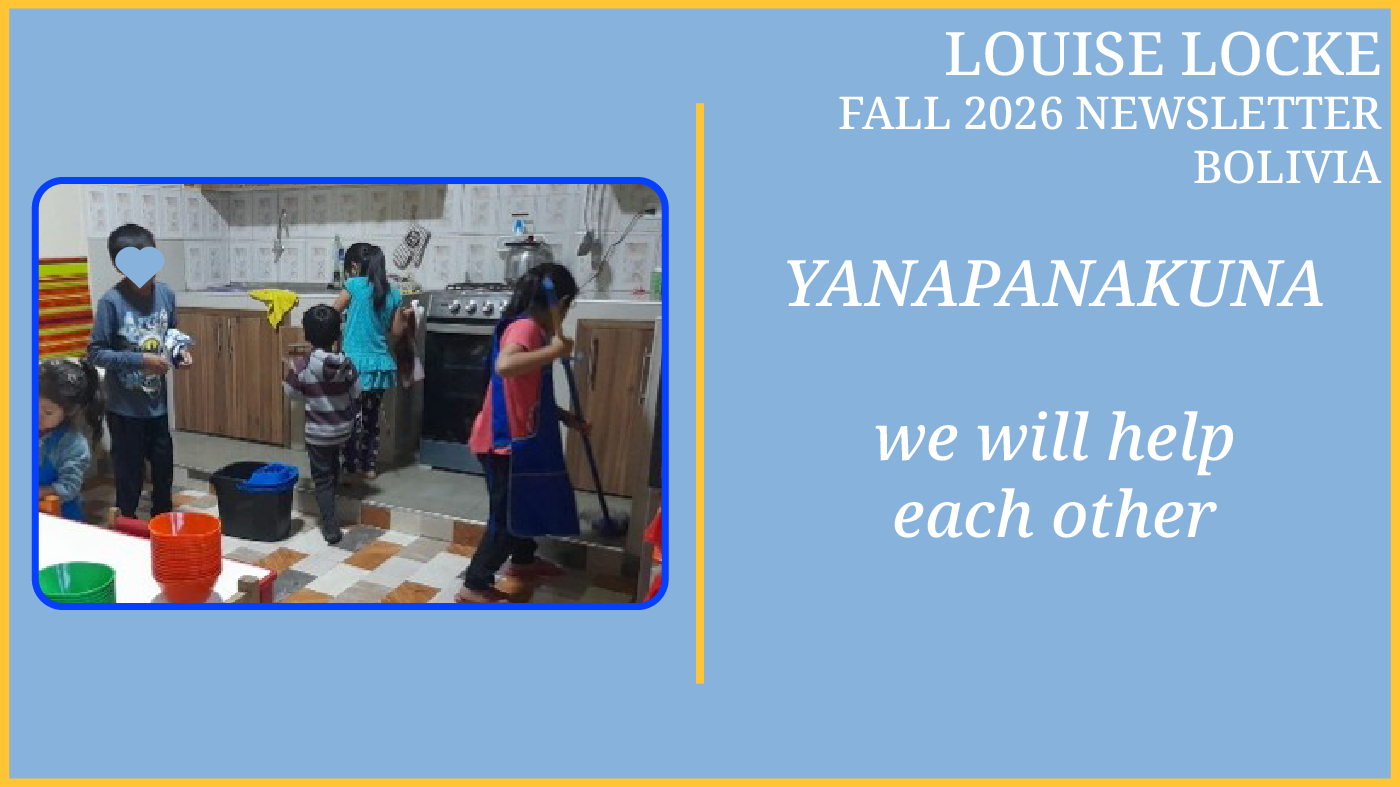
Yanapanakuna. This is a Quechua word meaning “We will help each other” and is a perfect example of the idea of unity in a community.
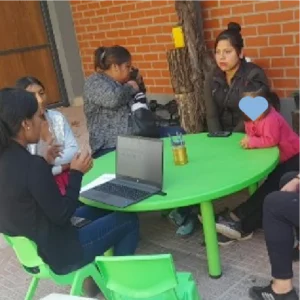
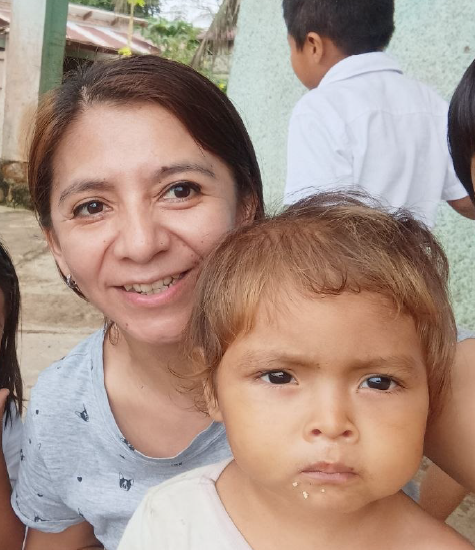
Mothers working on business planning
At the Yanapanakuna center in Cochabamba, Bolivia, I am reminded of this word often. The children who come to the center after school, ages 4 to 12, are from the most vulnerable families in the municipality of Tiquipaya. Most are from single parent homes with few resources and experience chaos and uncertainty at home and bullying and marginalization at school. At the center, they are welcomed as a part of a supportive community focused on their needs and they participate in a multidimensional, integrated program that emphasizes all aspects of a child’s well-being: psychosocial, educational, health, nutrition and spiritual functioning. At the center, they find food, security, love, companionship, guidance and emotional support.
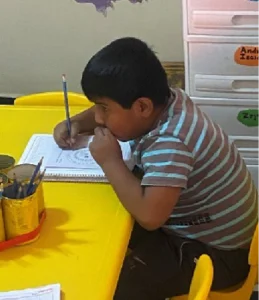
Andres contemplating his homework
As I participate in the daily rhythm of the center, I see the children working together to attend to the daily chores and watch in amazement as some of the more advanced children take the initiative to help those who are behind in their studies.
My eyes focus on 7-year-old Luis sitting at a table and working quietly on his homework. His mother is single and was in desperate need of help because he was being rebellious both at school and at home. He refused to do homework and resisted learning how to read. With few options available to her, she sought placement at the Yanapanakuna center and has been amazed, grateful and completely convinced of the benefits of our integrated program. He has calmed down, is well-behaved at school and at home and has learned to read almost to his grade level. He is happy and loves coming to the center.
Then, I spot 8-year-old Juan. His mother is also single and was worried because he was depressed due to being bullied at school. With few resources, she did not know where to turn. She heard about the center and brought him for an assessment. We were happy to admit him and now he enjoys coming to the center, where he is accepted by the other children, is learning social skills which will help him interact with his classmates, is more able to focus on completing homework and loves to participate in all the activities offered, including cleaning and washing dishes!
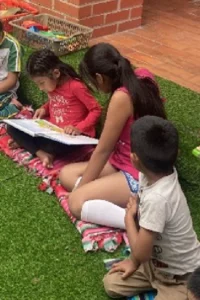
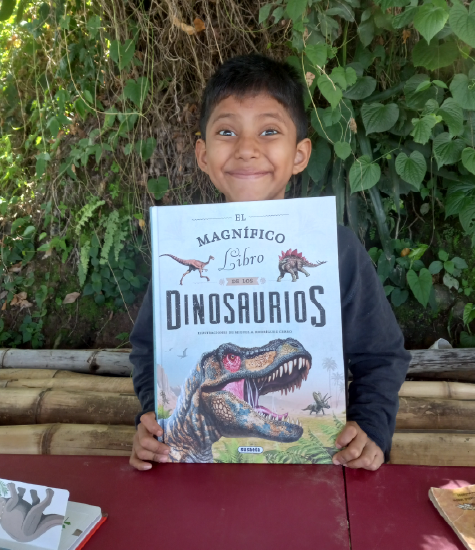
The joy of reading
In our daily group circle with the children, I also contemplate the case of 8-year-old Jose. His mother abandoned him as an infant and he is being raised by his father, who often travels and leaves him in the care of various family members, depending on who is able and willing to take him. This passing him around to different homes has left him completely insecure with a need to compensate by acting out, bad mouthing other children and using inappropriate language. After attending the center daily, there has been a remarkable change in his behavior and attitude. The psychologist who examined him as part of our assessment process informed us that this center has made a huge difference in his life because it is the only place of stability that he has. He is motivated to learn better coping skills and reduce negative behaviors.
At the Yanapanakuna center, our focus is to help these children heal from trauma, thrive, and become advocates for themselves and other children who face the same issues.
Witnessing the remarkable progress that is possible has truly energized and motivated me to continue this amazing project. This is only possible with support and funds provided by our donors and we are eternally grateful for your prayers and financial contributions.
Gratefully,
Louise
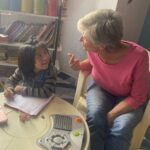 Louise Locke is a lay missioner in Cochabamba, Bolivia and is currently partnering with a local psychologist to offer a new ministry that gives the most vulnerable women and children a chance to improve their lives.