
Justice and Peace
All of our missioners strive to create a more just and compassionate world through focusing on the needs of people experiencing poverty or marginalization. Some missioners, however, have a special focus on peace or justice through ministries that train leaders in conflict resolution; assist groups working for human rights; promote interreligious dialogue; advocate for and work with groups experiencing marginalization as they strive for equity and inclusion; and support local efforts to dismantle racism, classism, and sexism.
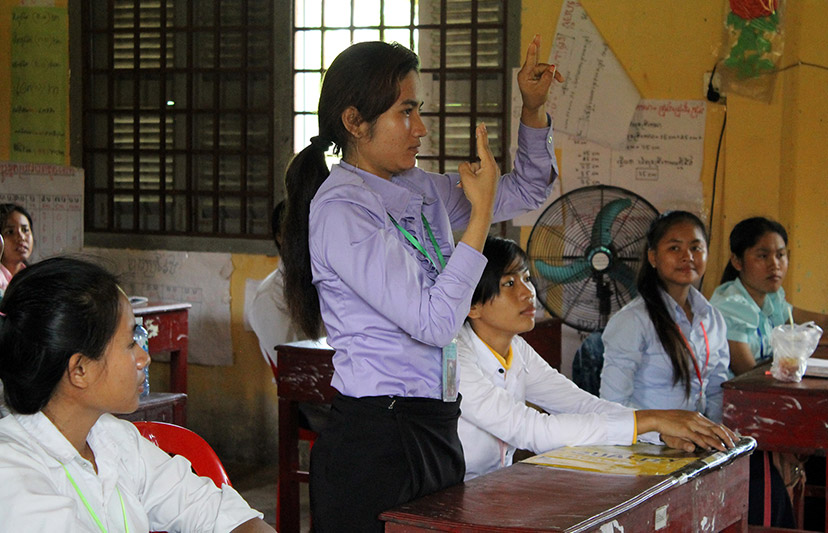

Empowerment and Inclusion
Maryknoll lay missioners work with vulnerable groups such as deaf people, children with disabilities, populations with HIV/AIDS, and immigrants to advocate for their just treatment, help reduce stigma, and promote greater access to resources and inclusion in society.

Dialogue
Maryknoll lay missioners work to promote dialogue, mutual understanding, and conflict transformation, especially among groups that are in conflict or in places where there is a high level of violence.
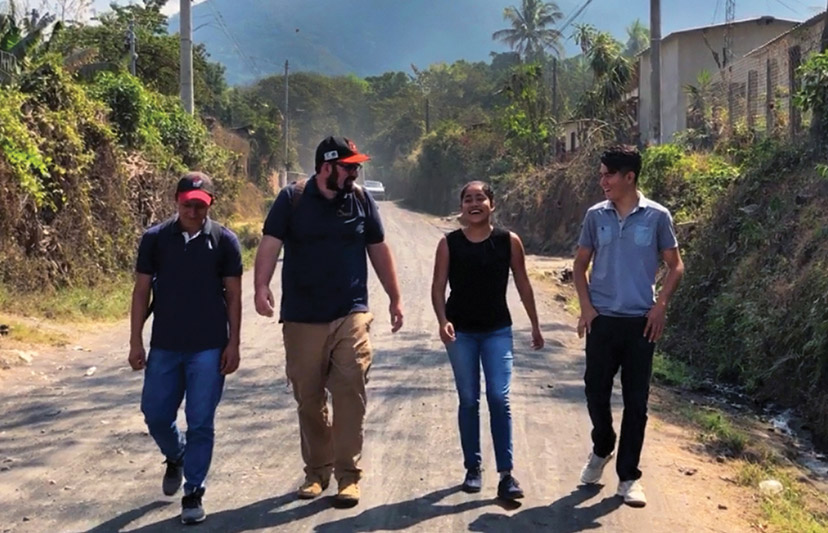
Our Missioners in Justice and Peace
















Featured Stories

Being a part of El Paso’s hospitality for migrants
Maryknoll missioners at the border join with others to accompany the weary and be ‘good Samaritans.’
Fleeing Sudan’s war to South Sudan
Dee Dungy sees the consequences of the war in Sudan among the refugees and returnees in neighboring South Sudan.
Standing up for migrants
As the state of Texas increases its draconian measures against migrants, Coralis Salvador fights for their rights.